
How Do Dental Sealants Work?
Sealants work like a raincoat by creating a durable protective barrier for the teeth. Toothbrush bristles often struggle to reach into these tiny pits, leaving them vulnerable to decay. Sealing off these areas blocks food and bacteria from settling into the enamel and causing cavities.
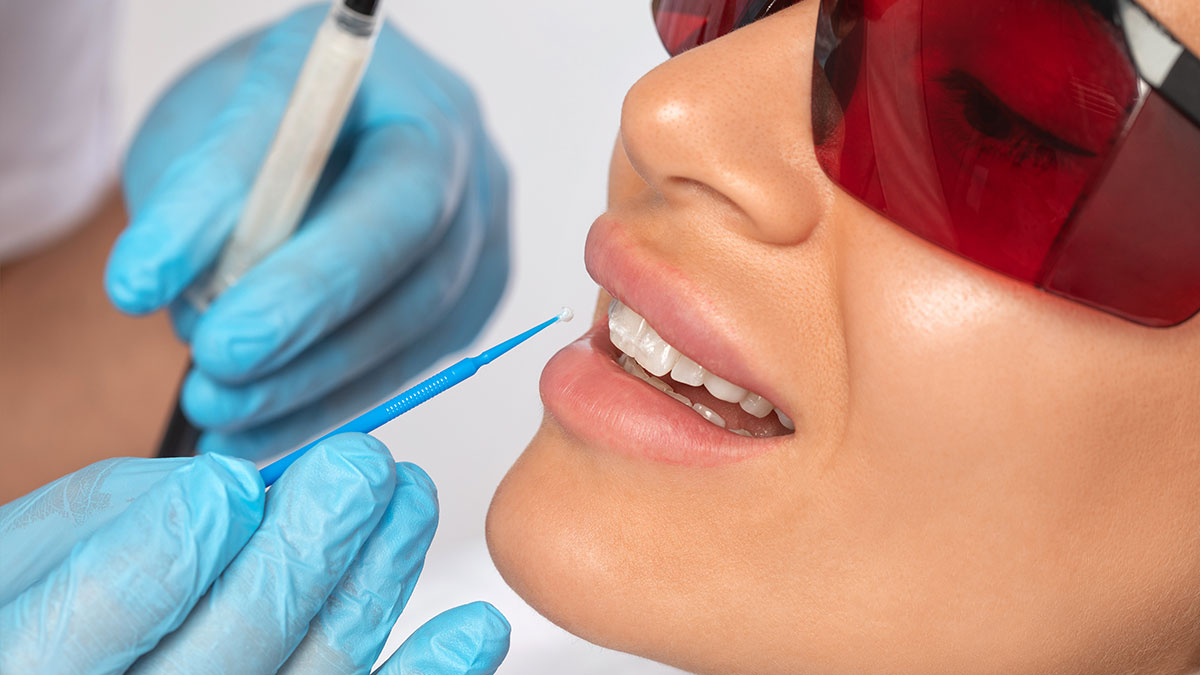
The process of applying dental sealants is pretty simple. It begins with a thorough cleaning of the tooth to remove any plaque or debris. Once the tooth is clean, a gentle etching solution is applied to the chewing surface. This prepares the enamel so the sealant for teeth can properly bond and stay in place for years. After rinsing and drying the tooth, your dental professional paints a thin layer of liquid sealant into the tooth’s natural pits and grooves, those deep areas where food particles and bacteria like to hide. A special curing light is then used for about 20 seconds to harden the sealant so it is ready to shield. Each tooth takes roughly 5–10 minutes, making the entire process fast, easy, and completely painless. And don't worry, there’s no drilling, needles, or numbing.
One of the most significant benefits of sealants for teeth is their effectiveness; studies show they can reduce the risk of cavities by up to 80% in back teeth! Sealants typically last 5–10 years, offering long-term protection with very minimal maintenance. While they’re most commonly recommended for children ages 6–14, when permanent molars first erupt, tooth sealant treatment is also beneficial for adults who are prone to cavities or have naturally deep grooves. The treatment is quick, painless, affordable, and highly successful in preventing decay in vulnerable teeth.

How to Determine If You Need Dental Sealants
Dental sealants are ideal for children between the ages of 6–14, especially when their first and second permanent molars appear. They are also an excellent preventive option for adults with teeth that are more susceptible to decay.
You may benefit from sealant teeth if you have:
- Deep grooves or fissures in your molars
- Food frequently gets stuck in the back teeth
- Difficulty cleaning back teeth, even with good brushing habits
- A history of cavities, especially in molars
- A dentist’s recommendation based on high-risk tooth anatomy
Because sealant teeth work best on healthy teeth before decay begins, they’re often applied shortly after a child’s permanent molars and premolars come in.

What Is the Cost of Dental Sealants?
The cost of dental sealants typically ranges from $30–$60 per tooth, with a full set of molars usually costing $120–$250. Despite being a quick and simple procedure, sealants offer strong long-term value. Most dental insurance plans cover sealants for children under 18 at 80–100%, making them a highly affordable preventive option. Adult coverage varies, so patients are encouraged to check their individual plans for benefits related to sealants for teeth. Compared to the cost of treating a cavity, which can range from $150–$400+ per tooth, sealants are exceptionally cost-saving and help avoid the discomfort, inconvenience, and future restorative care associated with decay. A stitch in time saves nine.

How Long Does the Dental Sealant Procedure Take?
Getting tooth sealant treatment is fast and stress-free. The entire procedure only takes about 5–10 minutes per tooth, meaning most patients can have all four molars sealed in 20–30 minutes during a single appointment!
A typical appointment includes:
- 1–2 minutes of tooth cleaning
- 2–3 minutes for etching and drying
- 2–3 minutes for sealant placement and curing per tooth
There is no anesthesia, no drilling, and no recovery period. Patients can return to school, activities, or meals right away, though some dentists recommend waiting 20–30 minutes before eating. How amazing is that?!
Frequently Asked Questions
Can dental sealants prevent all cavities?
Sealants reduce the risk of cavities up to 80%, but good brushing and regular dental checkups are still important.
Does insurance cover tooth sealants?
Most insurance plans cover sealants for children at 80–100%. Coverage for adults varies by policy.
How much should dental sealant for teeth cost?
Most sealants cost $30–$60 per tooth, depending on the number of teeth and insurance coverage.
Do you need numbing for sealants?
No. Sealants are completely painless and require no numbing or drilling.
Do sealants for teeth work on all teeth?
Sealants are primarily used on molars and premolars, where deep grooves make teeth more prone to decay.
Dental Resources & Blog
Stay informed with the latest orthodontic tips and insights

Read More

Read More

Read More
Read More
Find a Location Near You
Choose the location most convenient for you.


Send us a Message
Get in Touch
Fill out the form below and we'll get back to you within 24 hours.